
Nate Hand Gesture
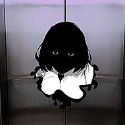














Rock-paper-scissors is a children's game. Nate Hand Gesture is not. The hand-gesture match at its center looks identical to the one you learned on a playground, but the opponent across from you is an entity that consumes humans to experience their emotions, and losing to her is never just losing a round.
Nate Hand Gesture Turns a Playground Game Into a Threat
The structure is simple on paper: text-based scenes and dialogue choices lead into a round of the hand-gesture game against Nate, the entity who invites you to play in the first place. Winning or losing individual rounds is not really about reading her hand. It is about reading her.
Nate's mood decides the outcome far more than any gesture you choose. Keep her pleased through dialogue and she will let you win; let her mood sour and she will make you lose no matter what you throw.
That single mechanic reframes the whole minigame from a game of chance into a conversation with real stakes attached to it.
- Dialogue choices shift Nate's mood before a round even starts.
- A good mood tilts the hand-gesture outcome in your favor.
- A bad mood makes losing the round essentially guaranteed.
Nate Hand Gesture's Scoring Runs on Three Wins, Two Losses
The demo's best-known route ties directly to that scoring rhythm. Win three rounds in a row and Nate lets you ask for something or spend time together; lose two and she takes a part of your body instead, starting with your fingers.
Players have nicknamed the result the mommy ending, since enough wins in a row turns Nate from predator into something closer to an overbearing caretaker who refuses to let you leave.
That nickname has spread fast since the demo's release on July 4, 2026, showing up across clips almost as often as the death scenes do.
The Demo's Three Ways to Die
Beginners tend to treat the hand-gesture rounds as the real test and the dialogue as flavor text, which is backward.
The current demo offers one main route, three separate death endings, and several other variations, and almost all of that branching comes from conversation choices made before a single gesture is thrown.
Mismanaging Nate's mood early tends to snowball. A dismissive or hostile answer a few lines in can leave her hostile for the rest of the encounter, which makes every following round harder to win regardless of how carefully you play it from there.
Trying to Quit
One detail sells the premise better than any jump scare could: closing the game the normal way does not simply close it. Nate notices the attempt to leave and reacts to it in character, folding the act of quitting into the story instead of letting it sit outside the fiction.
Like Print I Love U, Nate Hand Gesture hides its real test inside what looks like a small, harmless minigame, letting a handful of rounds decide which of several very different endings a player walks away with.
The honest limitation is that this is still a short demo: one main route is plenty for a single sitting, but it means the mood system's depth is easier to exhaust than a player expecting more might hope. A planned Steam release is set to expand the story with new routes.
Nate Hand Gesture gets more out of a rock-paper-scissors minigame than that premise has any right to produce, mostly because every round is really a referendum on how well you have been treating Nate since the moment she sat down across from you.